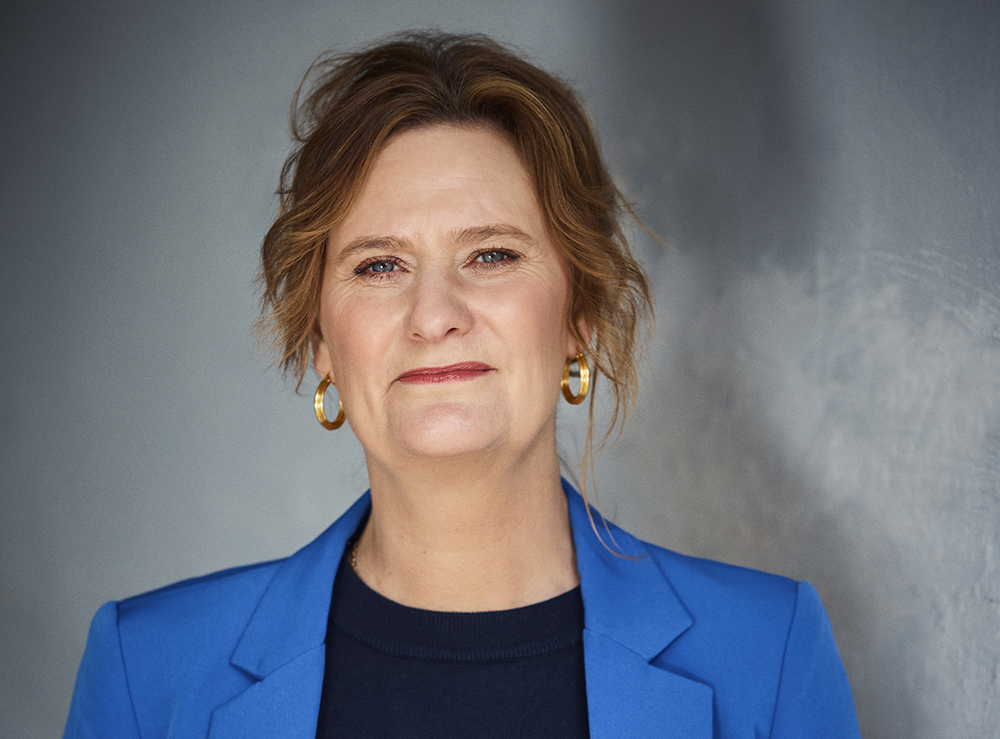
By Mirka Mozer, Secretary General, Danish People's Aid
In Denmark, we often talk about attrition in connection with a long life in the labor market, but there are other life conditions that also wear you down.
In the debate about attrition, we forget about the people who have been out of work for far too long. We simply overlook how difficult it can be to get back into work. It is embedded in our language about those who are left out. We often tell each other that the way back into the workforce is a matter of ”just pulling ourselves together”. In this way, we make poverty a personal choice – a way of life. It is a powerful and destructive prejudice that stands in the way of ensuring more equality for those who are left out in one way or another.
When you have to think about what to choose from year after year, it's exhausting. Is it the gift for the school birthday party or the prescription medication? Is it food on the table or new shoes? It's a vicious cycle, because the less you have, the less you often get over time.
In the Danish People's Aid analysis Folkehjælpen Focus: Poverty, community and prejudice Almost 10,000 former applicants for financial support have answered questions about their living conditions. The analysis shows, among other things, that a third of them are both severely economically disadvantaged and deeply socially marginalized. Poverty is therefore not only about dealing with an everyday life where there is no money for the basics. It is also about losing a foothold in the community. About being left out and feeling less worthy.
The families we meet in Danish People's Aid are often reluctant to share their feelings about their situation with the outside world. Reaching out is associated with shame. It hurts deep down in the soul. Not least for those parents who cannot fulfill even the smallest wishes of their children. Parents who must explain themselves again and again to a system and a society that all too often measures people's value solely on their connection to the labor market.
Of course, people who are worn out after a long and hard working life should have the opportunity for a dignified retirement. But I am sincerely concerned that we are overlooking those who are worn out by hardship, poverty and prejudice. Yes, they are out of work. Yes, some have never had a job, but many want to work – they just can’t.
The idea of all those lying on the couch and slaving away at the system is a myth. As a society, we have to recognize that the living conditions for some Danes are simply intolerable. What we call lifestyle diseases should perhaps be called lifestyle diseases. There is not much self-chosen lifestyle over a life lived below or close to the poverty line.
When the economy, shame and hopelessness are allowed to fill year after year, it removes both physical and psychological resilience little by little. And exactly that feeling can be passed on from parents to children. In fact, an analysis from the Danish Workers' Business Council shows that three out of four socially disadvantaged children have their own unique personal conditions, which in many areas are similar to children from non-disadvantaged families. We must therefore step in with help so that they too can unfold their potential.
The people we meet in Danish People's Aid are not lazy. On the contrary, they are exhausted and incredibly grateful for the help they receive. We must dare to talk about those who have not been worn down by a long working life, but by a long life of hardship. They do not need to be met with prejudice. They need dignity, security and a system that sees the whole person — not just the ability to work.