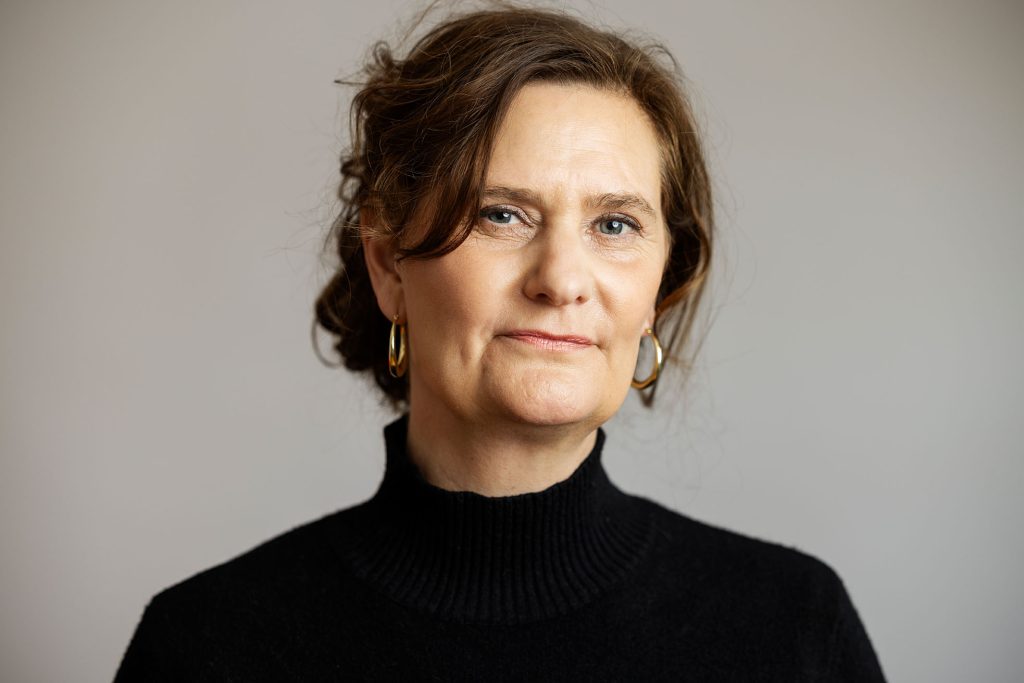
By Mirka Mozer, Secretary General of Danish People's Aid and Laust Leth Gregersen, Political Director Oxfam IBIS
Inequality was rightly a major theme during the spring election campaign. We are in the midst of an inequality crisis in Denmark, which we hope the government will prioritize combating in the upcoming parliamentary year.
As inequality grows, so does distrust of democracy. This is felt by young people who grow up outside the large, resource-rich cities.
Countries with high inequality are seven times more likely to experience democratic decline. Trust in the political system weakens among citizens with fewest resources, while the richest gain more political influence
The growing gap between the opportunities that society can offer the next generations in the big cities and the opportunities available to young people growing up in rural areas reinforces the negative spiral. A study has shown, for example, that around one in five young people in Europe do not believe that democracy is the best form of government. We must slow down the development here at home before it takes root among the young people, who are supposed to be the driving force of Danish democracy.
Although Denmark is a small country, the reality looks very different depending on where you live in the country. The population's income after tax has indeed increased in general over the past 10 years. However, the municipalities with the highest growth are all in the capital region, with Copenhagen as the winner. Here, the typical income has grown by 21.5 percent, compared to a national average of 8.7 percent.
The same pattern applies to wealth. While average wealth is growing in Copenhagen and Zealand, it is stagnating or even falling in large parts of Funen and Jutland.
The situation is also uneven in the field of education. 11.5 percent of primary school graduates nationwide fail neither Danish nor mathematics. In Lolland Municipality, this applies to every third student. In addition, the municipality's cultural and leisure activities for children and young people, which are one of the cornerstones of the Danes' democratic education, are being forced into severe cuts.
In other words, the distance between city and country is getting wider. Not measured in kilometers, but in the opportunities that the individual citizen has. This creates an urgent need to strengthen cohesion in Denmark.
It is time to close the gap and reduce the inequality crisis. It is necessary if the government is to fulfill the promise in the government foundation to strengthen local welfare communities in both urban and rural areas. And let's start with the young people. They are our common future.